Doing Black History Month the Right Way
Every February, many homeschool parents feel pressure to “cover” Black History Month. That pressure often turns into worksheets, timelines, and a short list of famous names. But for young children, especially children with ADHD, memorizing facts without context does very little. It can even create confusion, fear, or shame.
At The Revolution Learning Lab, we believe Black History Month should help children understand systems, power, and humanity, not just names and dates.
Black history is not trivia.
It is a story about how rules were made, who they benefited, and how people responded.
For early elementary learners, the most effective approach starts with big ideas, not timelines.
Why Big-Picture Learning Works Better for ADHD Kids
Young children are natural justice-seekers. They notice when something feels unfair long before they can explain why. Children with ADHD and other neurodivergences are especially skilled at spotting patterns, including patterns in how rules affect different people.
Black History Month offers a meaningful opportunity to introduce the concepts of systems and equity while helping children explore their own values around fairness, kindness, and community.
They notice fairness long before they understand politics.
Children with ADHD, in particular, need:
context before details
meaning before memorization
patterns before people
That is why Black History Month works best when it is organized around core concepts, explored slowly and intentionally.
Week 1: What Is Race? (A Social Construct)
The goal:
Help children understand that race is an idea people created—not a measure of worth, intelligence, or ability.
Before children can understand slavery or segregation, they need this truth:
People came first. Race came later.
This week separates difference from hierarchy.
How to introduce this at home:
Explain that people naturally come in all shapes, sizes, and colors, and that rules about how the categories are grouped, ie, race, were made by people, not by nature.
Gentle ways to explore:
Check out this episode on Sesame Street, Wondering About Skin Color.
Check out this PBS KIDS Talk About | Race, Racism & Identity | PBS KIDS
Activity: Same Inside, Different Outside
Purpose:
Help children understand that people can look different on the outside while being the same in important ways on the inside.
Materials
Paper
Crayons or markers
How to Do It
Draw two large outlines of people (stick figures are fine).
Have your child decorate the outside of each person differently
(skin shade, hair style, clothing, height).Inside each outline, help your child draw or name the same things, such as:
feelings
thoughts
dreams
need for love
need for safety
(You can write the words if your child dictates.)
What to Say While You Work
“People can look different on the outside.
But inside, people have the same needs and feelings.”
Reflection Question
“What do both people need to feel okay?”
Optional Sentence
“On the inside, people are the same.”
Key takeaway for kids: Everyone is inherently deserving of dignity, respect and fairness.
Starting Black History Month by talking about race as a social construct helps children build understanding before confusion. When children learn that people come first—and that race was an idea created later—they are better able to notice differences without attaching hierarchy or value to it. These early conversations lay the foundation for fairness, empathy, and curiosity as children begin learning about history and systems in the weeks ahead.
Next week, we’ll explore how systems were built and enforced, and why rules about race had such powerful effects on people’s lives.
Stay Connected
If you’d like to continue this series and receive the next post, you’re welcome to subscribe to the Revolution Learning Lab newsletter. We share thoughtful, developmentally appropriate guidance for families raising children who think deeply and learn differently.
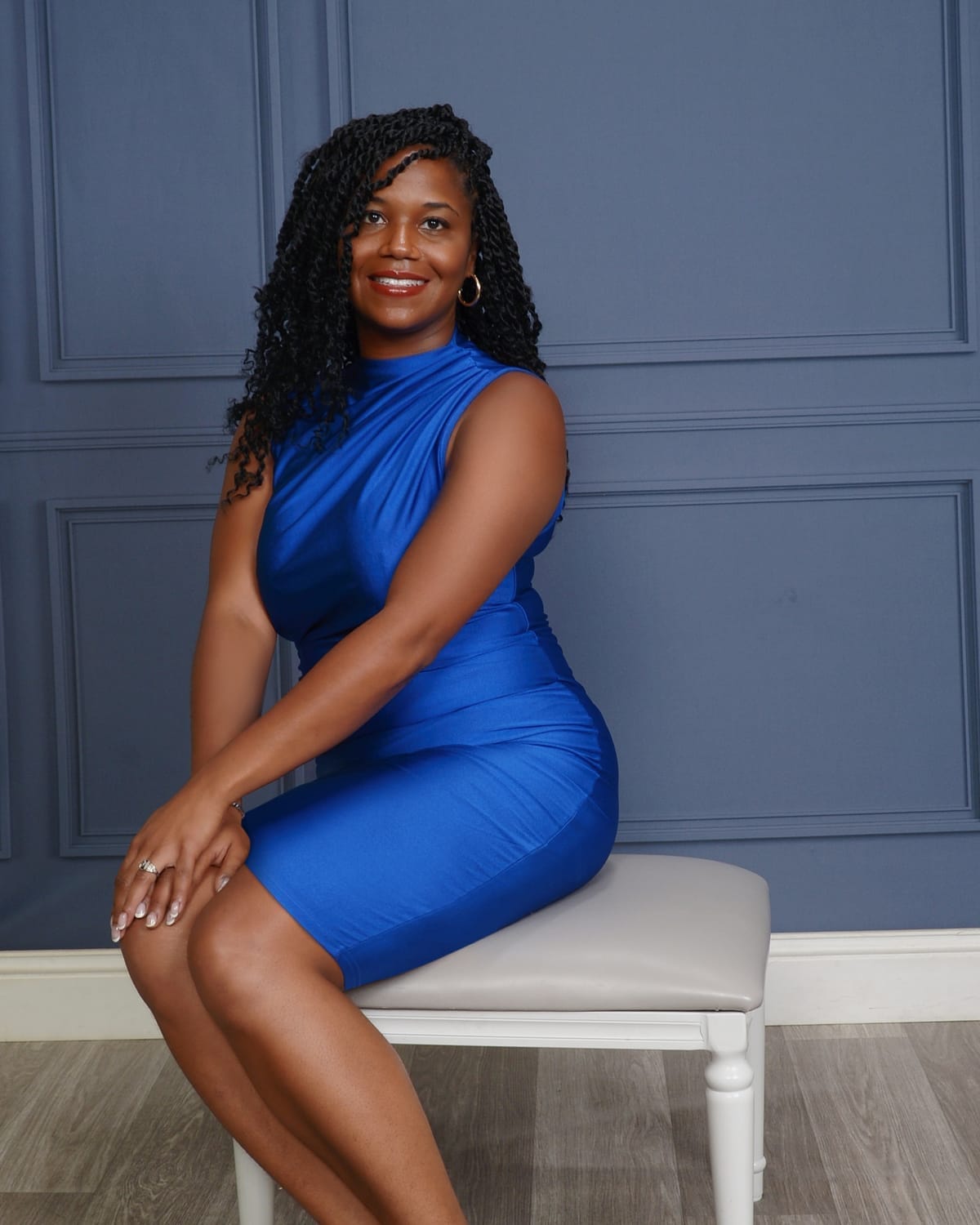
HEY, I’m Ebony Davis
With over a decade of experience in behavioral health, Ms. Davis is a skilled clinician, program developer, and trainer specializing in direct care and workforce development for behavioral health professionals. Her expertise includes implementing evidence-based interventions, integrating behavioral health services into workforce readiness programs, and developing trauma-informed care models for diverse populations. She has worked extensively in substance use prevention, forging public-private partnerships to address opioid misuse and enhance community-based recovery support.

JOIN MY MAILING LIST
Join Our Online Community
Get access to resources and tools to support you and your child's learning and wellness.
Grow
Learn
Thrive
Join our free online community
Get access to resources and tools to support you and your child's learning and wellness.
Butler & Davis Consulting LLC is DBA The Revolution Learning Lab.

All Rights reserved | Privacy policy | Legal | Terms and conditions
We currently accept Maryland Medicaid for therapeutic services. Tuition is billed separately.
© 2025 The Revolution Learning Lab. All rights reserved.