Doing Black History Month the Right Way - Week 2
Week 2: How the System Was Built and Enforced
The goal:
Help children understand that slavery and segregation were systems—groups of rules—built on purpose, enforced through power, and driven by money and control, not by individual behavior or personal failure.
This week answers a question children often carry quietly after learning that race is made up:
“If race isn’t real, why does it matter so much?”
The answer is systems and economics.
How to Introduce This at Home
You might say:
“After people made race rules, they built systems to protect those rules.
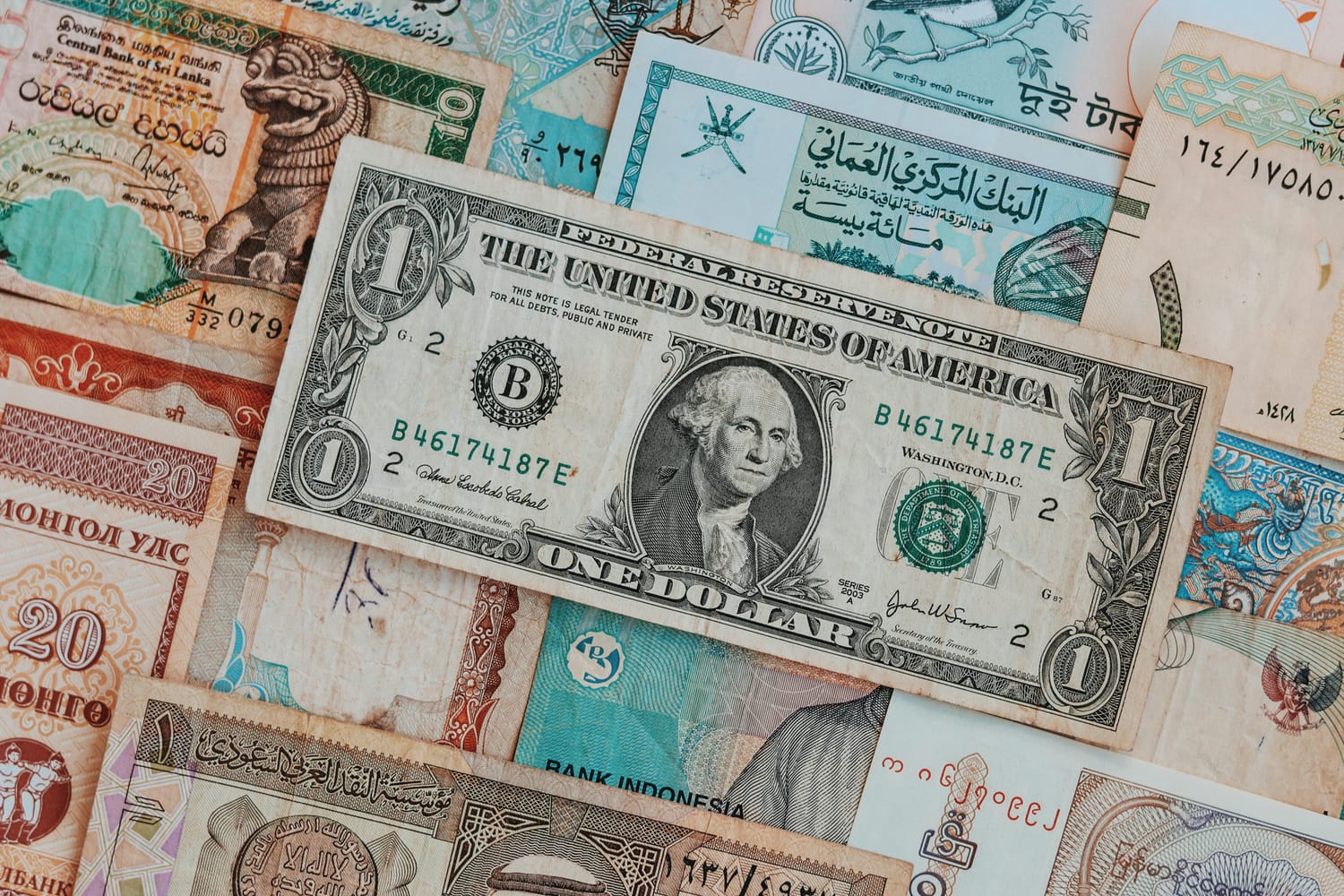
Those systems determined who could go to school, who could own land, and who was safe. These systems were also about money—who got paid and who did not.”
Keep the tone calm and factual.
You are explaining how rules worked, not assigning blame.
Gentle Ways to Explore This (Early Elementary Friendly)
1. Start With Africa Before the System
Ground children in truth before oppression.
Read Africa Is Not a Country.
This helps children understand that Africa was a place with people, cultures, schools, and leadership before race rules were created.
What to emphasize:
Africa was not lacking.
The system came later.
2. Show How Meaning Was Assigned to Difference
Read Blue: A History of the Color as Deep as the Sea and as Wide as the Sky
This book gently shows that color only has meaning because people give it meaning.
What to emphasize: People decided what colors meant—and those decisions affected how people were treated.
3. Simple Rule Thinking
Choose one familiar rule together (examples: bedtime, taking turns on the swing, raising your hand before talking, who gets to sit where at lunch).
Ask one or two questions only:
Who made this rule?
Who does this rule help?
Does this rule make things easier or harder for someone?
What to Say:
“All rules are made by people. Some rules help everyone. Some rules help some people more than others. Let’s notice together.”
No right answers are needed. This is about noticing patterns and building awareness.
4. Fair vs. Unfair Rules
Ask your child:
What is a rule that feels fair?
What is a rule that feels unfair?
Then ask:
“What would make the unfair rule fairer?”
They can answer by talking, drawing, or acting it out.
5. Draw the Impact
Have your child draw:
One rule
What happens to people because of that rule
You can label for them if needed.
Keep it concrete: rule → result
Values Matter
Rules can be made to help some people and hurt others.
Unfair systems continue when people stop paying attention to their values.
You can say:
“Rules don’t have feelings.
People do.
When people forget fairness and care, rules can hurt others.”
Ask your child:
“What matters to you?” (fairness, kindness, safety, helping)
Have them choose one value and draw how they use it.
Key Takeaway for Kids
Say this together: “Rules can help or hurt. People can choose fairness.”
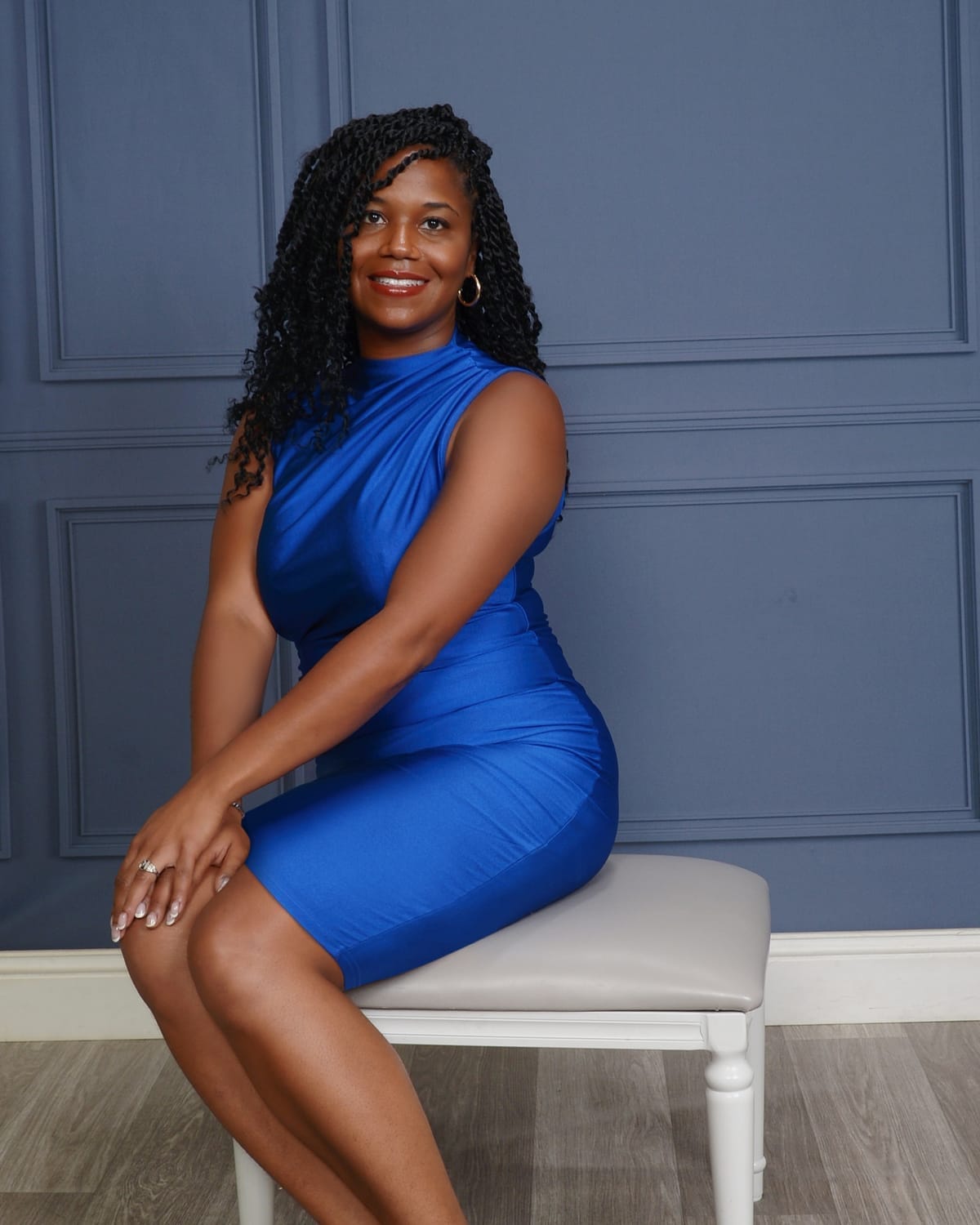
HEY, I’m Ebony Davis
With over a decade of experience in behavioral health, Ms. Davis is a skilled clinician, program developer, and trainer specializing in direct care and workforce development for behavioral health professionals. Her expertise includes implementing evidence-based interventions, integrating behavioral health services into workforce readiness programs, and developing trauma-informed care models for diverse populations. She has worked extensively in substance use prevention, forging public-private partnerships to address opioid misuse and enhance community-based recovery support.

JOIN MY MAILING LIST
Join Our Online Community
Get access to resources and tools to support you and your child's learning and wellness.
Grow
Learn
Thrive
Join our free online community
Get access to resources and tools to support you and your child's learning and wellness.
Butler & Davis Consulting LLC is DBA The Revolution Learning Lab.

All Rights reserved | Privacy policy | Legal | Terms and conditions
We currently accept Maryland Medicaid for therapeutic services. Tuition is billed separately.
© 2025 The Revolution Learning Lab. All rights reserved.